
First-time safari-goers chase the Big Five — lion, leopard, elephant, buffalo, rhino. They should. They are extraordinary animals. But ask a guide on his fifth season what made his last week, and the answer is almost never on that list.
The dozen we look for
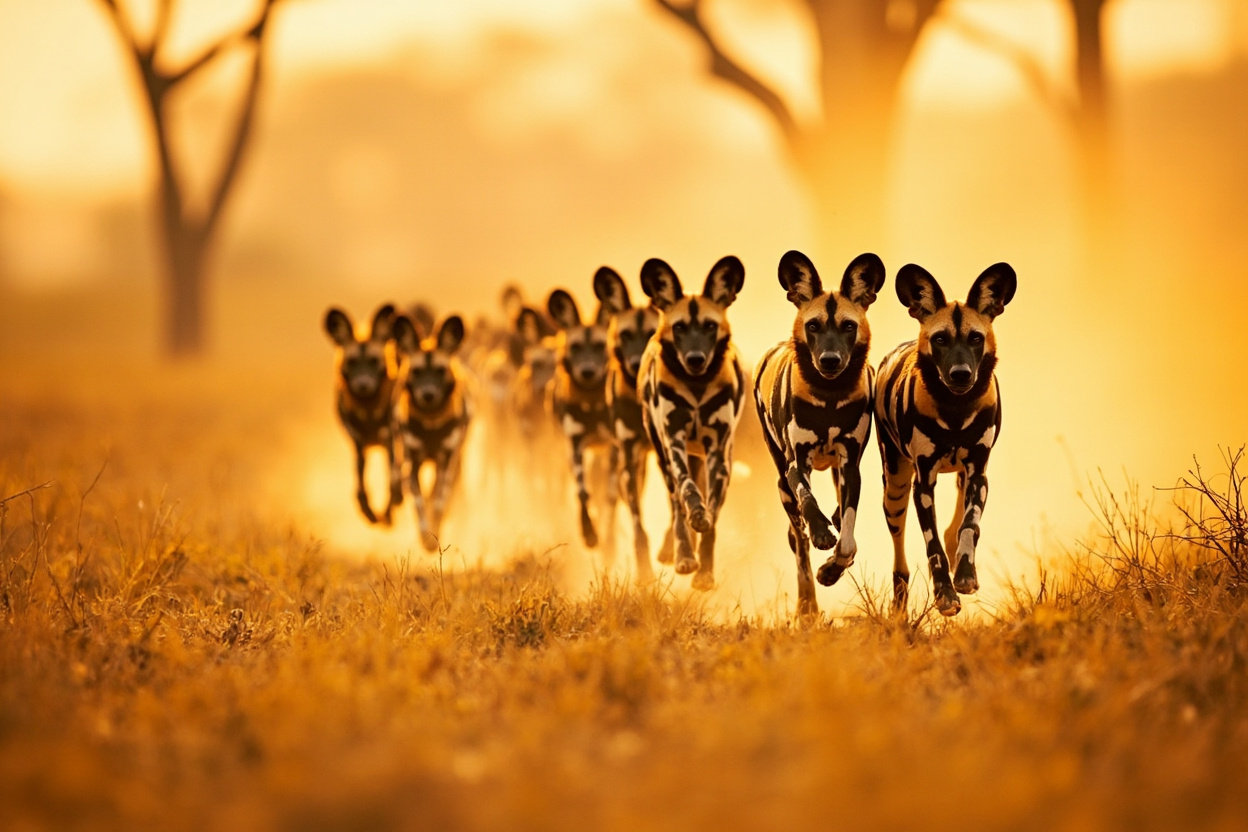
- African wild dog — also called painted hunting dog. Pack hunter, near-perfect kill rate, almost never seen. Best chance: Nyerere/Selous and Ruaha.
- Serval cat — slim, leggy, gold spotted, pounces from tall grass. Crepuscular. The good guides find one a week.
- Caracal — even harder than serval. Tufted ears, ambush hunter. Ngorongoro and Tarangire have the best record.
- Aardwolf — termite-eating member of the hyena family. Mostly nocturnal. Spot one and your guide will text every guide they know.
- Honey badger — wildlife’s reigning lunatic. Will fight a lion. Brief sightings on night drives at conservancy lodges.
- Pangolin — the holy grail. Most guides go years between sightings.
- Bat-eared fox — pair-bonded, oversized ears, hunts beetles by sound. Common but easy to miss in the long grass.
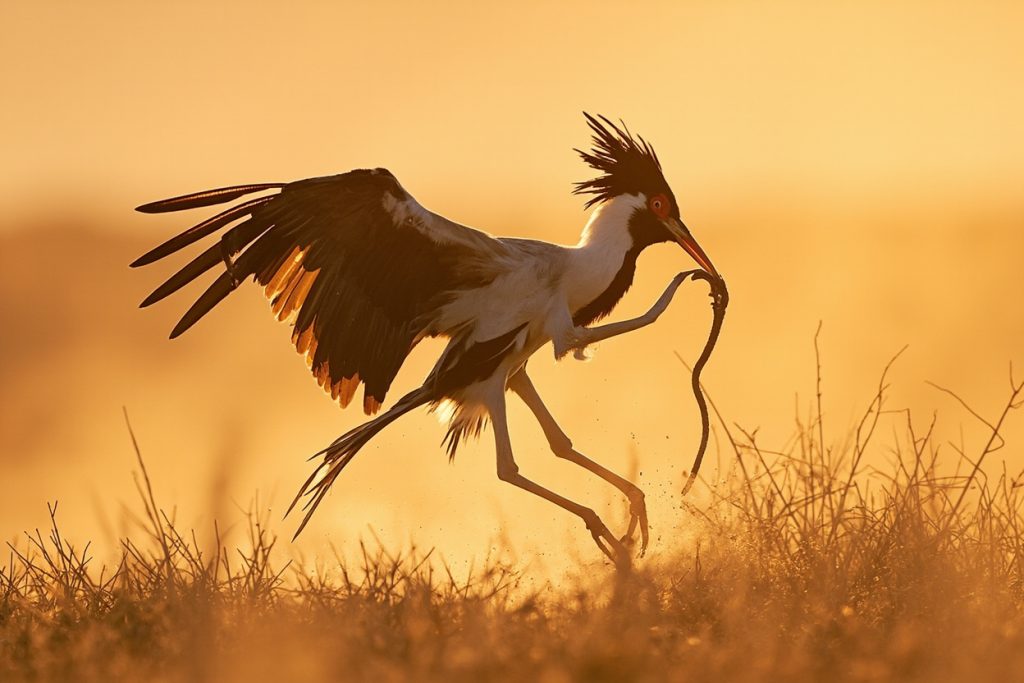
- Secretary bird — three-foot-tall raptor that kills snakes on foot. Strikes in 400 milliseconds.
- Kori bustard — Africa’s heaviest flying bird. Look for the slow, deliberate walk in open grassland.
- Lilac-breasted roller — the cliché everyone underrates until they see one in flight at sunset.
- Klipspringer — tiny rock-dwelling antelope that walks on its toenails. Ngorongoro rim and Lobo kopjes.
- Striped hyena — rarer cousin of the spotted hyena, mostly nocturnal, the rarest large carnivore most guides have ever seen.
Why this list matters
The Big Five list was coined by hunters in the early twentieth century — it is a list of the most dangerous animals to shoot on foot. It tells you nothing about which animals are interesting, rare, or behaviourally fascinating. The species above will not feature on a postcard, but they are the ones that turn a good safari into a lifetime story.
How to improve your odds
- Pick the right park. Ruaha and Nyerere outperform the northern circuit on wild dog and serval.
- Stay in conservancies that allow night drives — most national parks do not.
- Tell your guide on day one that you care about the small stuff. They will plan the day differently.
- Slow down. Most rare sightings come from sitting at one waterhole for an hour rather than driving past five.
If you are on your second or third safari and want a less-trodden route, talk to us. We build slower trips for repeat travellers. Plan your safari →
Leave a Reply