
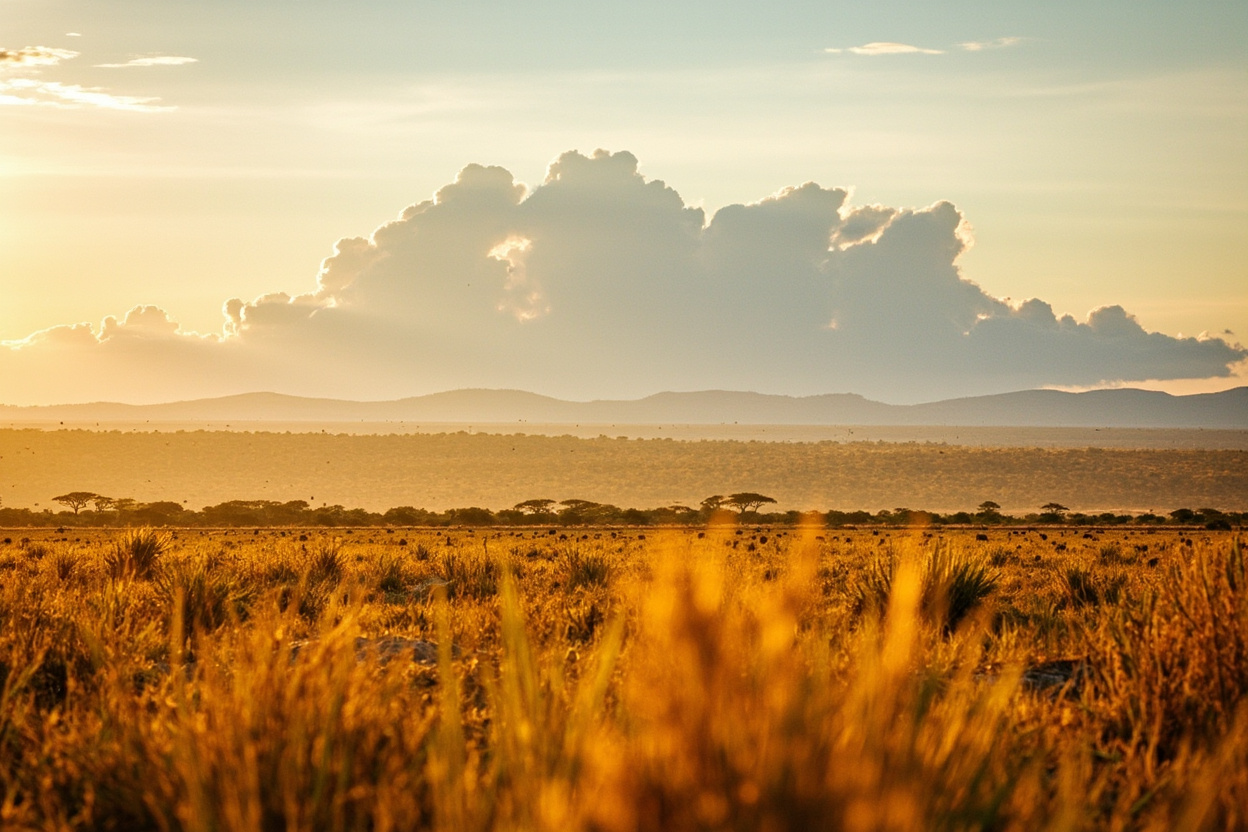
“When should I come?” is the first question every guest asks. The honest answer: it depends on what you want to see and how much you want to share the road. Here is the Tanzania year as our guides experience it, month by month.
The two big seasons
Tanzania has a long dry season (June–October) and a long wet season (March–May), with two transitional shoulders. The dry months are the classic safari window — sparse vegetation, animals concentrated at water, dust-soft afternoon light. The wet months are quieter, greener, and dramatically cheaper, with newborn wildlife and migratory birds arriving from Europe and Asia.
January – February: calving on the southern Serengeti
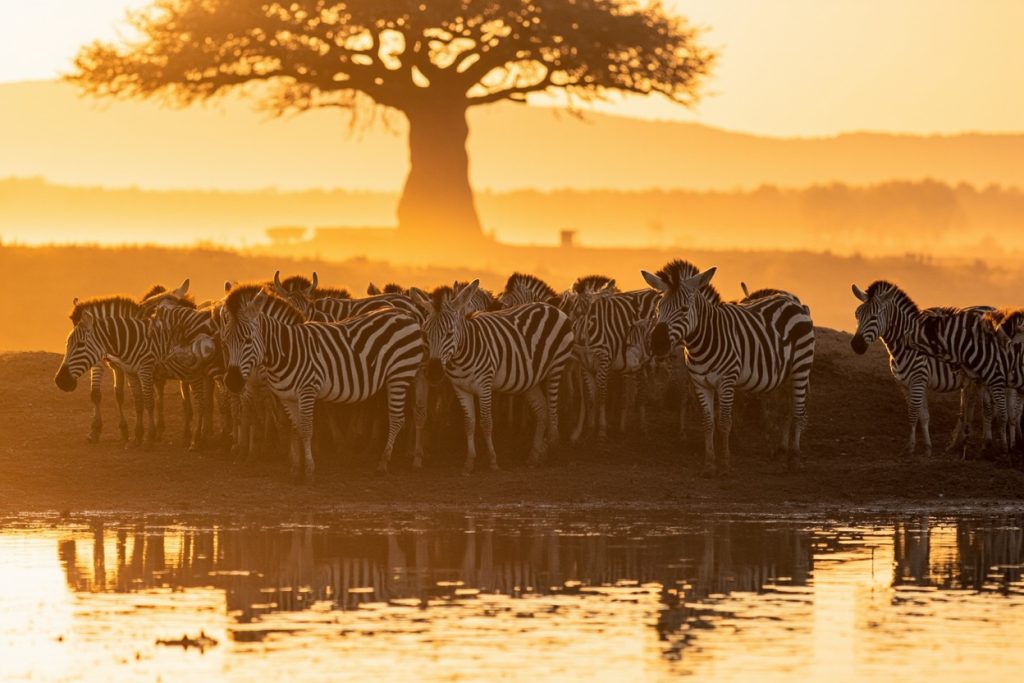
Half a million wildebeest calves are born across about three weeks on the short-grass plains around Ndutu. Predators follow the herds. It is the best window of the year for big-cat action and arguably the most photogenic on the calendar. Days are warm, evenings cool, occasional short showers.
March – May: the long rains
Rates drop, lodges empty, and the country turns emerald green. Game viewing is harder because the grass is tall and animals are scattered, but birding is exceptional and the Ngorongoro Crater stays excellent year-round. April is the wettest month — some bush camps close. If your budget is tight and you do not mind muddy roads, May is a hidden gem.
June – July: dry season opens, herds head north
The roads firm up, the air clears, and the wildebeest column starts its run toward the western corridor and the Grumeti River. June is our pick for travellers who want classic dry-season game viewing without August prices. Cool nights — pack a fleece for early-morning drives.
August – September: peak migration, peak crowds
The Mara River crossings happen in this window, mostly on the Tanzanian side. Visibility is at its absolute best. Lodges fill 9–12 months ahead, and prices peak. Book early or pivot to a less-trafficked circuit — Tarangire and Ruaha are excellent in this window and far quieter.
October – early November: the quiet sweet spot
The crowds thin, the migration is somewhere in the northern Serengeti, and the heat builds. October is one of the most underrated months on the calendar — dry, dramatic, and noticeably cheaper than August.
Mid-November – December: the short rains
Brief afternoon thunderstorms, glorious skies, almost no other vehicles in the parks. The grass greens up, the herds drift south again, and predators reposition. A genuinely lovely time to travel for those who do not mind getting their boots wet.
Quick picks
- Big cats & calving: late January through February
- River crossings: late July through early October
- Birding: November through April
- Best value: early June, late October, mid-November
- Kilimanjaro climbs: January–February or July–October (drier, clearer)
Not sure which window suits you? Send us your dates and we will tell you honestly what you will and will not see. Plan your safari →
Leave a Reply